

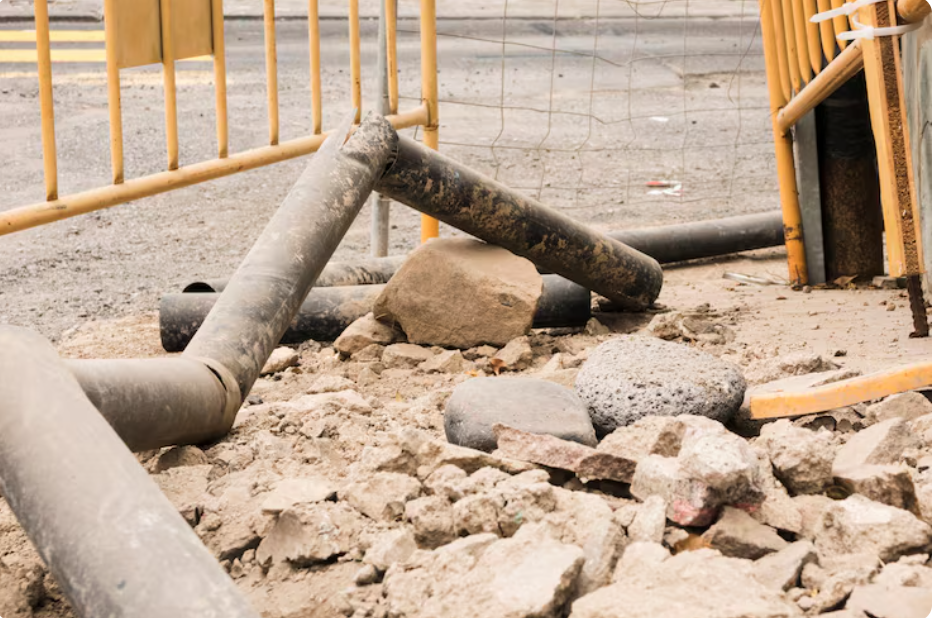
When most homeowners think about damaged underground pipes, their minds go straight to water leaks, soggy lawns, and expensive plumbing bills. However, what many don’t realise is that compromised pipes create a hidden invitation for unwanted guests, pests that thrive in damp, dark environments. From rodents scurrying through cracked sewer lines to spiders setting up residence near moisture sources, damaged pipes can quickly turn a minor plumbing issue into a full-blown infestation.
Understanding the connection between underground pipe damage and pest problems is essential for Australian homeowners who want to protect both their property and their peace of mind.
The Hidden Highway: How Damaged Pipes Become Pest Pathways
Underground pipes, particularly older clay or concrete sewer lines, are prone to cracks, fractures, and root intrusion over time. Once these pipes are compromised, they create the perfect entry point for pests seeking shelter, water, and food sources.
Rats and mice are notorious for exploiting damaged sewer systems. These rodents can squeeze through surprisingly small openings and will travel along pipe networks to access homes. A crack in your underground sewer line might seem like a plumbing problem, but it could be the reason you’re suddenly spotting droppings in your kitchen. In many cases, homeowners find themselves needing to call a rodent exterminator before they even realise the root cause lies beneath their feet.
The moisture escaping from leaking pipes also attracts a host of other creatures. Cockroaches, silverfish, and various insects are drawn to the humidity and organic matter that accumulates around damaged drainage systems. This creates a cascading effect where one type of pest attracts predators, leading to increasingly complex infestations.
Spiders and Moisture: An Unwelcome Partnership
Where there’s moisture and insects, spiders are never far behind. Leaking underground pipes create humid microclimates that attract the prey spiders feed on, effectively setting up a buffet that draws arachnids into and around your property. Australian homes are particularly susceptible to this issue, given our diverse spider population and warm climate.
Homeowners often notice an increase in spider activity around bathrooms, laundries, and other areas connected to underground drainage. If you’ve found yourself dealing with persistent spider problems despite regular cleaning, it might be worth investigating your pipes. Professional spider pest control services can address the immediate issue, but lasting results often require fixing the underlying moisture problem that’s attracting prey insects in the first place.
Breaking the Cycle: Addressing the Source
The most effective approach to dealing with pest problems linked to pipe damage is addressing the infrastructure itself. Traditional pipe repair methods often involve extensive excavation, disruption to landscaping, and significant expense. However, modern solutions offer a far less invasive alternative.
Pipe relining has emerged as a game-changing solution for Australian homeowners dealing with damaged underground pipes. This trenchless technology involves inserting a flexible liner coated with resin into the existing pipe, which then hardens to create a new, seamless pipe within the old one. The result is a fully restored pipe that eliminates cracks, gaps, and entry points that pests exploit.
Beyond simply sealing potential pest entry points, pipe relining also eliminates the moisture problems that attract insects and arachnids. By stopping leaks and restoring proper drainage, you remove the environmental conditions that make your property attractive to pests in the first place.
Warning Signs to Watch For
Recognising the early warning signs of pipe damage can help you take action before pest problems escalate. Keep an eye out for unexplained damp patches in your yard, particularly if they’re accompanied by unpleasant odours. Slow-draining fixtures, gurgling sounds from your plumbing, and recurring blockages can also indicate underground pipe issues.
If you’re experiencing any of these symptoms alongside increased pest activity—particularly rodents or moisture-loving insects it’s worth having your pipes inspected with a CCTV drain camera. This non-invasive diagnostic tool can identify exactly where problems exist, allowing for targeted repairs that address both plumbing and pest concerns simultaneously.
Conclusion
Underground pipe problems are rarely just about water. A qualified plumber understands that the cracks, leaks, and damage that develop in ageing plumbing systems create opportunities for pests to enter your home and establish themselves in environments they find irresistible. By recognising this connection, homeowners can take a more holistic approach to property maintenance—one that addresses both the visible symptoms and the hidden causes.
Whether you’re dealing with rodents in your roof space, spiders in your bathroom, or simply want to prevent future infestations, a professional plumber can help identify what’s happening beneath the surface. Investing in proper pipe maintenance and repair is an investment in a pest-free home.
Frequently Asked Questions
Can pests really enter my home through damaged pipes?
Yes, absolutely. Rats and mice are particularly adept at navigating sewer systems and can enter homes through cracks or gaps in underground pipes. Even small fractures can provide enough space for rodents and insects to gain access to your property.
How do I know if my pest problem is related to pipe damage?
Look for correlating signs such as damp areas in your yard, slow drains, or sewage odours alongside pest activity. If you’re dealing with moisture-loving pests like cockroaches, silverfish, or spiders near bathrooms and laundries, there may be an underlying plumbing issue worth investigating.
Is pipe relining effective at preventing pest entry?
Pipe relining creates a seamless, jointless pipe within your existing damaged pipe, effectively eliminating cracks and gaps that pests use as entry points. It also stops leaks, removing the moisture that attracts many pest species.
Should I call a plumber or a pest controller first?
If you suspect your pest problem is linked to pipe damage, it’s often best to address both issues concurrently. A pest controller can manage the immediate infestation, while a plumber can diagnose and repair the underlying pipe problems to prevent future occurrences.