

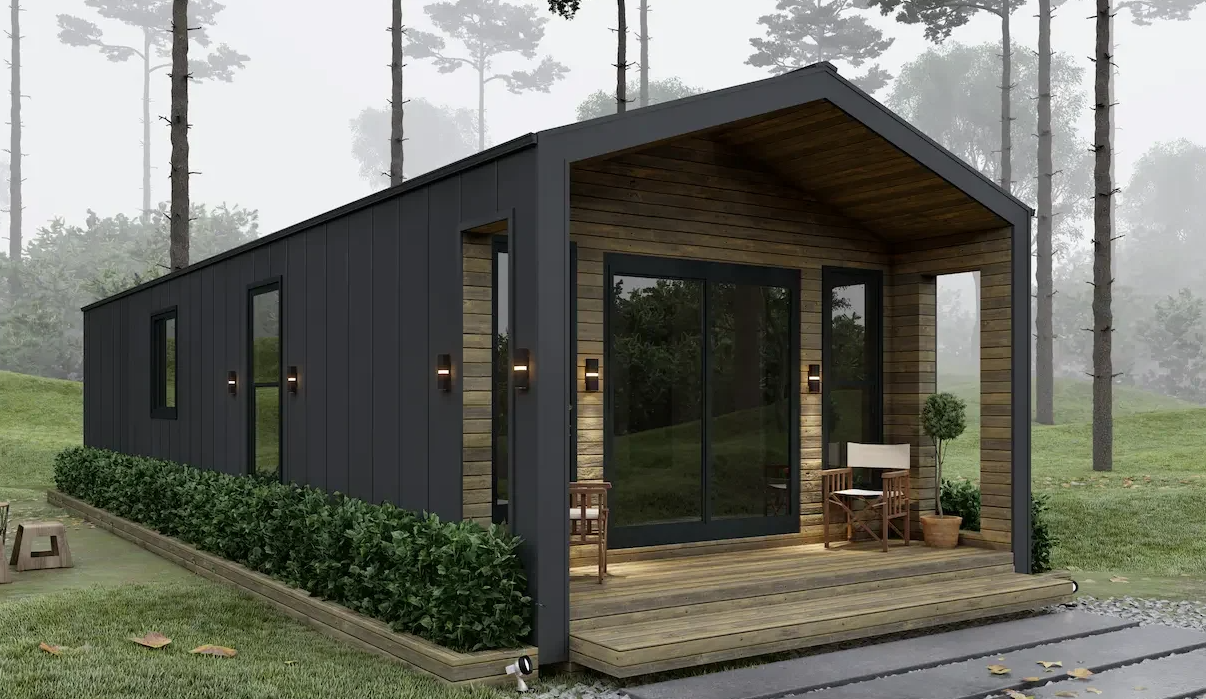
Construction methods are shifting slowly, but not always in obvious ways. Materials and systems are being chosen based on speed, consistency, and long-term usability. Industrial Steel frames are now common in large-scale builds where strength matters every day. Meanwhile, Modular Homes are being considered more due to faster assembly and controlled construction sites. Both ideas are different, but they often overlap in modern projects.
Why factory controlled building is becoming more common now
Working in a factory setting removes many unpredictable site conditions from the process. Weather delays, material wastage, and inconsistent measurements get reduced significantly. This is one reason Modular Homes are built faster compared to traditional on-site methods. Parts are made in dedicated areas and transported to be assembled. It alters the management of planning and timelines at the start.
Strength requirements in large structures need careful planning
Regions having heavy loads need materials that do not have to be adjusted frequently. The use of Industrial Steel frames is to support weight over broad spans without unnecessary points of support. This enables them to be applied in warehouses, manufacturing units, among others. The engineers are careful with the path of load to avoid a high concentration of stress in a single area.
Transport and assembly bring their own set of challenges
The transportation of prefabricated pieces of the construction to the site should be handled promptly. In the case of Modular Homes, the units must fit perfectly on-site. Minor misalignments have the capacity to influence the end structure. Such issues can be minimised by careful coordination of design, transport, and installation teams.
Weather exposure still matters after installation is complete
Although the conditions of the factories enhance the initial level of the build quality, the exposure to the outside occurs after installation. To ensure the longevity of the Industrial Steel frames, protective coating and good sealing are used. Nonetheless, moisture, changes in temperature and environmental conditions have a long-term influence. Periodic examinations are used to determine any wear or damage.
Cost planning depends on more than just material selection
There is a tendency to believe that prefabrication in all cases leads to lower total costs. That is not always accurate when transportation and setup are considered together. Modular Homes can be time-saving; however, logistics can contribute to the total budget. It is based on the site, complexity of design, and infrastructure available.
Design flexibility looks different compared to traditional methods
Prefabricated systems are suitable when it is designed with a clear plan in mind. When production has started, it can be more challenging to make late changes. Industrial Steel frames enable big spans and open designs, useful in large-scale designs. This can be coupled with modular construction to produce efficient layouts when planned properly.
Conclusion
Methods of construction are still developing according to the needs and demands of the projects. You can browse theconceptgroup.com.au to know how these approaches are applied in various sorts of projects without needless intricacy. The knowledge acquired about the use of Industrial Steel frames and Modular Homes will aid in early planning decisions. Each approach has benefits in the appropriate circumstances. When you have a project in mind, meet some professional individuals to assess your needs and settle on an appropriate construction strategy.