

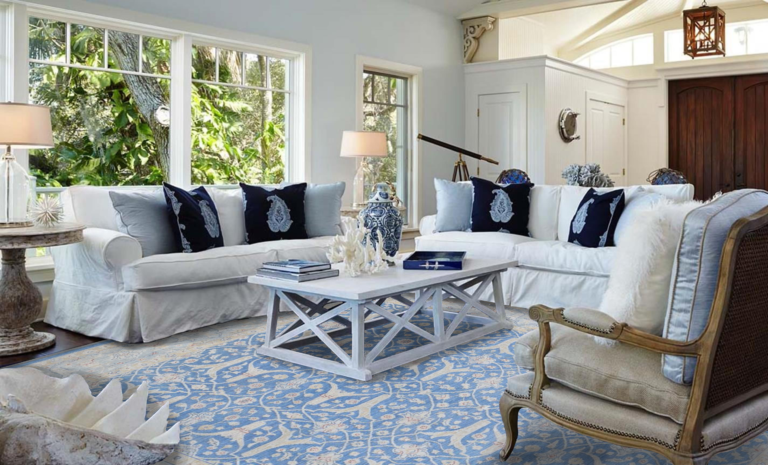
The best traditional rug color depends on your interior style. Modern spaces work well with navy, charcoal, or muted tones. Classic rooms suit deep reds and golds. Bohemian styles call for jewel tones, while minimalist spaces pair best with ivory, beige, and soft grays. Choosing the right color can anchor a room and tie your entire design together.
A traditional rug does more than cover a floor. It sets the mood of an entire room. The right color can make a small space feel larger, a cold room feel warmer, or a plain area feel polished and put-together. The wrong color, though? It can throw off everything.
This guide breaks down the best traditional rug colors for different interior styles—so you can make a confident choice before you buy rugs for your home.
Why Color Psychology Matters in Home Decor
Color affects how a room feels, not just how it looks. Warm tones like red, orange, and gold create energy and intimacy. Cool tones like blue, green, and gray bring calm and structure. Neutral shades like beige and ivory let other design elements breathe.
When you pick a traditional rug, you’re not just choosing a pattern. You’re choosing how the room will feel to everyone who walks into it. That’s worth getting right.
What Are the Best Traditional Rug Colors for Modern Interiors?
Modern interiors favor clean lines and a restrained color palette. The goal is balance—you want the rug to add visual interest without competing with the furniture or architecture.
The best colors for modern spaces include:
-
Navy blue — strong, structured, and versatile
-
Charcoal gray — works with almost any furniture finish
-
Dusty rose or muted terracotta — adds warmth without overwhelming the space
-
Soft teal — brings a subtle contrast in mostly neutral rooms
In a modern interior, a traditional rug with a geometric or medallion pattern in these tones adds texture and history without breaking the minimal aesthetic. The key is to keep the surrounding furniture simple so the rug can do its job without visual clutter.
Which Traditional Rug Colors Work Best for Classic and Formal Settings?
Classic and formal interiors—think paneled walls, dark wood furniture, and layered drapes—call for rich, saturated colors. These rooms are designed to feel substantial and refined, and the rug should match that energy.
Top choices for classic settings:
-
Deep burgundy or wine red — a timeless standard in formal rooms
-
Forest green — traditional and grounding, especially with dark wood tones
-
Gold and ivory — creates warmth and adds a sense of history
-
Navy with red accents — a formal combination often seen in traditional Persian rugs
A handmade traditional rug in a deep red or emerald green works particularly well in dining rooms, studies, and formal living areas. The craftsmanship and intricate patterns common in handmade rugs in India align naturally with these rich, classic color palettes.
What Rug Colors Suit Bohemian or Eclectic Interior Styles?
Bohemian and eclectic interiors are built around personal expression. There are fewer rules here—but that doesn’t mean anything goes. The best approach is to pick a rug with multiple colors and let it anchor the room’s palette.
Strong options for bohemian spaces include:
-
Burnt orange and rust — earthy, warm, and full of character
-
Magenta and violet — bold jewel tones that energize the space
-
Turquoise and saffron — vibrant combinations common in traditional Indian and Moroccan rugs
-
Multi-colored medallion patterns — pull together a variety of accent pieces without clashing
In bohemian rooms, a traditional rug with an intricate floral or tribal pattern becomes the focal point rather than the background. Layer it with patterned cushions, woven baskets, and mixed textiles for a space that feels curated but relaxed.
Which Traditional Rug Colors Work Best for Minimalist Designs?
Minimalist interiors operate on the principle that less is more. Every piece earns its place, and nothing competes for attention. The rug in a minimalist room should feel intentional—subtle enough to support the design without becoming the loudest thing in the space.
Best colors for minimalist interiors:
-
Ivory and off-white — clean and airy, adds softness without busy detail
-
Light gray — versatile and calm, pairs with almost any surface
-
Pale sage green — a gentle natural tone that adds warmth without bulk
-
Sand and natural linen tones — ground the room in organic simplicity
For minimalist spaces, consider a traditional rug with a low-contrast pattern or tonal variation rather than a bold multi-color design. The texture of a handmade wool rug adds visual interest without disrupting the overall calm of the room.
What Role Do Handmade Rugs in India Play in Color and Quality?
When you buy rugs, the quality of the materials and the skill of the weaver directly affect how colors appear in real life. Handmade rugs in India—particularly those from the Bhadohi region—are known for producing some of the world’s finest hand-knotted carpets.
The natural dyes used in many Indian handmade rugs give them a depth that machine-made rugs simply cannot replicate. Wool rugs tend to absorb and reflect light in a way that makes colors appear richer and more layered. Silk rugs, on the other hand, carry a subtle sheen that shifts with the light—making a navy blue look different at 10am than it does at 7pm.
The Ambiente, based in Bhadohi and founded by Avani Khandelwal, works with over 4,000 artisan weavers—the majority of whom are women—to produce traditional rugs that hold true to centuries-old craft techniques while meeting the design expectations of modern homes. With 30+ years of expertise through its parent company, Bhadohi Carpets, The Ambiente offers a collection that spans affordable to luxury, with options for a wide range of interior styles.
How Do You Choose the Right Traditional Rug Color for Your Space?
Follow these practical steps before you buy rugs:
1. Identify your dominant colors. Look at your walls, sofa, and largest furniture pieces. Do they lean warm (cream, brown, gold) or cool (white, gray, blue)?
2. Decide if you want the rug to blend or contrast. A rug in a similar tone to your furniture creates a calm, cohesive look. A contrasting color creates a focal point.
3. Test with samples. Order a swatch or request a photo of the rug in natural light before committing. Colors look different on screens versus in real rooms.
4. Think about traffic and maintenance. Lighter rugs show dirt faster. In high-traffic areas like hallways or living rooms, mid-tones and patterns hide wear better than solid pale shades.
5. Match the rug’s scale to the room. A small rug in a bold color can feel disconnected. A larger traditional rug in a more neutral tone tends to anchor the space better.
Enhancing Your Home with the Perfect Traditional Rug
Choosing a traditional rug is one of the highest-impact decisions you can make in interior design. The color you choose will influence how the room feels every single day—not just on the day you move in.
Whether you’re drawn to the deep, saturated tones of a formal setting or the earthy warmth of a bohemian space, there’s a traditional rug that fits your home. If you want rugs made with genuine craft and lasting quality, handmade rugs in India—particularly from Bhadohi—offer a level of detail and durability that few alternatives can match.
Ready to find your perfect rug? Browse The Ambiente’s collection of handcrafted rugs at their New Delhi store or online, and take the first step toward a room that actually feels like yours.
Frequently Asked Questions
What is the most popular color for a traditional rug?
Deep red remains the most classic choice for a traditional rug. It works well in formal and classic interiors and pairs naturally with dark wood furniture, leather sofas, and rich drapes.
Can I use a colorful traditional rug in a neutral room?
Yes. A bold traditional rug with jewel tones or multi-color patterns can serve as the focal point in a neutral room. Keep surrounding furniture simple so the rug has room to stand out.
Are handmade rugs in India better quality than machine-made rugs?
Handmade rugs in India—especially those from Bhadohi—use natural wool or silk and traditional knotting techniques that produce greater density, durability, and color depth than most machine-made alternatives. They also tend to improve in appearance over time with proper care.
How do I know which traditional rug color suits my floor?
Dark floors (walnut, mahogany) pair well with lighter or mid-tone rugs. Light floors (oak, birch, tile) can handle both dark and light rugs. Avoid matching the rug too closely to the floor color, as this removes contrast and flattens the room visually.
Where can I buy rugs made by skilled artisans in India?
The Ambiente is a design-led rug atelier based in Bhadohi, India, with a flagship store in Sultanpur, New Delhi. They offer ready-to-ship and bespoke handmade rugs, with options across multiple price points.