

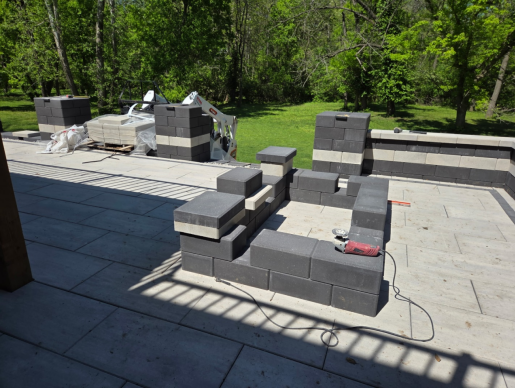
A sloped yard can add character and dimension to a property, but it can also create challenges that a flat yard does not. Uneven ground can make mowing difficult, increase water runoff, limit usable outdoor space, and make certain areas of the landscape harder to access. Instead of seeing a slope as a problem, homeowners in St. Louis can use hardscaping to turn an uneven yard into an attractive and functional outdoor environment.
From terraced retaining walls to multi-level patios, the right hardscape design can improve both the appearance and usability of a sloped property. Working with experienced Hardscaping Services St. Louis professionals can also help ensure that the design considers drainage, soil conditions, materials, and long-term stability.
Here are five practical hardscaping ideas worth considering for a sloped yard in St. Louis.
1. Build Terraced Retaining Walls
Terraced retaining walls are one of the most effective ways to manage a sloped yard. Instead of allowing the entire landscape to rise or fall continuously, retaining walls divide the slope into several smaller levels.
Each terrace can serve a different purpose. One level might contain plants, another could provide space for seating, and another might become a walkway or garden area. This approach creates structure while making the yard easier to use.
Retaining walls can also help reduce soil movement and control how water travels down a slope. However, their effectiveness depends heavily on proper design and construction.
The materials selected can influence the overall appearance of the property. Natural-looking stone can create a traditional landscape aesthetic, while clean masonry lines may work well with modern architecture.
When planning terraces, it is important to consider the height of each wall, soil pressure, drainage, and the transition between levels. Professional Hardscaping Contractors St. Louis can assess these factors before construction begins.
2. Create a Multi-Level Patio
A sloped backyard does not necessarily mean giving up on a comfortable outdoor entertaining area. A multi-level patio can work with the existing elevation instead of requiring the entire yard to be flattened.
Different patio levels can create separate zones for different activities. For example, one level could be used for outdoor dining while another provides a comfortable space for relaxing.
Steps can connect the levels and make movement throughout the yard more natural. Depending on the slope, a combination of retaining walls, steps, and paved surfaces can transform an otherwise difficult area into a well-organized outdoor living space.
A multi-level patio can also make a relatively small yard feel more interesting because it introduces changes in elevation and distinct areas.
When selecting materials, homeowners should consider durability, traction, appearance, and maintenance requirements. A professional design can help ensure that the patio follows the natural shape of the property while remaining comfortable and safe.
3. Add Stone or Paver Steps and Walkways
Navigating a steep or uneven yard can be inconvenient, particularly after rain or during colder weather. One simple solution is to create a dedicated walkway with properly designed steps.
Stone and paver walkways can guide people safely between different sections of the landscape. Instead of walking directly across grass or loose soil, homeowners have a defined route through the yard.
The walkway does not have to be completely straight. In many sloped landscapes, a gently winding path can look more natural and reduce the feeling of walking directly up a steep incline.
Steps can be incorporated wherever the change in elevation becomes significant. Their size, spacing, and placement should be carefully planned so that the route feels comfortable rather than abrupt.
For additional visual interest, pathways can be surrounded by planting beds, decorative stone, or low landscape features. The result is both practical and attractive.
Before installing a walkway, drainage should also be considered. Water should not be allowed to collect on the path or flow in a way that damages the surrounding landscape.
4. Incorporate a Functional Drainage Design
Water management is especially important when working with sloped yards. Gravity naturally causes water to move downhill, and uncontrolled runoff can contribute to soil erosion, muddy areas, standing water, and damage to landscaping.
Hardscaping can be designed to work alongside a property’s drainage needs rather than simply adding decorative features.
Depending on the property, possible solutions may include drainage channels, strategically positioned retaining walls, permeable surfaces, or carefully designed grading. The appropriate solution depends on the slope, soil, existing drainage patterns, and amount of water involved.
A well-planned hardscape should direct water toward appropriate drainage areas instead of allowing it to accumulate around patios, walls, foundations, or walkways.
This is one reason professional planning is valuable. A visually attractive hardscape that ignores water movement may create maintenance problems later.
Homeowners considering Hardscaping Services St. Louis should ask how drainage will be addressed as part of the overall design. Good drainage planning can protect both the hardscape and surrounding landscape.
5. Design a Raised Garden or Outdoor Seating Area
A slope can actually become an advantage when creating raised garden areas or elevated seating spaces. Instead of trying to eliminate every change in elevation, homeowners can use it to create distinct areas throughout the yard.
Raised planting beds can be incorporated into retaining walls or terraces. They provide organized spaces for flowers, shrubs, herbs, or other suitable plants while making the landscape appear more structured.
An elevated seating area can provide another useful destination. A small stone terrace with outdoor furniture can become a quiet place for morning coffee, reading, or enjoying the view across the yard.
The key is to connect these spaces naturally. Steps or pathways can guide people from one level to another, while retaining walls help define each area.
This type of design can make a sloped yard feel intentional rather than difficult to manage.
Choosing Materials for a Sloped Yard
Material selection can have a major effect on the appearance and performance of a hardscape. The best material depends on the project’s purpose, the existing architecture, the slope, and the homeowner’s maintenance preferences.
Common options include natural stone, concrete, brick, and various types of pavers. Each material offers different textures, colors, installation requirements, and maintenance considerations.
For sloped areas, safety should be part of the decision. Walkways and steps need surfaces that provide appropriate traction, particularly when wet.
Homeowners should also think about how different materials will age. A material that looks attractive when newly installed should still complement the property after years of normal outdoor exposure.
Why St. Louis Yard Conditions Matter
Every property has its own characteristics, and sloped yards in St. Louis can present different challenges depending on location, soil, drainage, vegetation, and existing landscape features.
Seasonal weather can also affect outdoor structures. Rain can influence soil stability and runoff, while freezing and thawing can place stress on certain hardscape installations.
For this reason, hardscaping should not be approached as a one-size-fits-all project. A design that works well on one property may not be appropriate for another.
Experienced Hardscaping Contractors St. Louis can evaluate the existing slope and develop a plan based on the property’s specific conditions.
Planning a Successful Sloped-Yard Project
Before construction begins, homeowners should consider how they want to use the space. A sloped yard can accommodate several functions, but trying to include too many features may make the design feel crowded.
Start by identifying the most important goals. Perhaps the priority is creating an entertaining area, improving access, controlling erosion, or making the yard easier to maintain.
A good plan should also consider:
· How people will move between different levels
· Where rainwater will flow
· Which areas need retaining walls
· How much maintenance the finished landscape will require
· How the hardscape will complement the home’s architecture
Thinking about these factors early can help create a more cohesive result.
Making the Most of a Challenging Landscape
A sloped yard does not have to limit the potential of an outdoor space. With thoughtful design, elevation changes can become one of the most interesting features of the landscape.
Terraced retaining walls can create usable levels. Multi-level patios can provide outdoor living space. Stone pathways can improve accessibility, while drainage features can help control runoff. Raised gardens and seating areas can add another layer of function and visual appeal.
The most successful designs usually balance beauty with practical performance. Rather than attempting to completely flatten a slope, hardscaping can work with the existing terrain and turn it into an advantage.
For homeowners exploring Hardscaping Services St. Louis, professional planning is an important part of achieving that balance. The right design can make a challenging yard safer, more functional, and more enjoyable.
Final Thoughts
A sloped yard may require more planning than a flat landscape, but it also creates opportunities for creative outdoor design. With the right combination of retaining walls, patios, pathways, drainage solutions, and elevated spaces, an uneven property can become a distinctive and highly usable part of the home.
The goal is not simply to make the slope disappear. Instead, thoughtful hardscaping can organize the elevation, improve movement, manage water, and create spaces where homeowners can spend time outdoors.
Whether the project involves a small pathway or a complete multi-level backyard transformation, experienced Hardscaping Contractors St. Louis can help turn the natural shape of the property into a practical and attractive landscape.