

An inviting backyard should provide more than an impressive appearance immediately after landscaping work is completed. Outdoor spaces must also accommodate changing weather, plant growth, household activities, and the amount of maintenance homeowners can realistically manage. A beautiful design that demands attention every weekend may eventually become frustrating.
Exploring backyard landscaping ideas can help homeowners balance appearance with long-term practicality. Instead of concentrating exclusively on decorative elements, effective planning considers how different areas will be used, what conditions plants need, and how the garden will mature over several growing seasons.
Observe the Yard Before Making Changes
The most useful landscaping information often comes from spending time outdoors before purchasing anything. Notice where sunlight reaches the ground during different parts of the day, which areas remain damp after rainfall, and whether existing trees create substantial shade. These observations influence plant selection and outdoor living arrangements.
Soil condition is equally important because drainage, compaction, and nutrient availability affect plant development. A simple soil test can provide useful information about pH and nutrient levels. Understanding these conditions before planting reduces unnecessary replacement costs and makes it easier to select species suited to the existing environment.
Control Unwanted Growth Before Planting
Weeds compete with desirable plants for resources and can make an otherwise carefully designed garden appear neglected. However, constant chemical treatment is not the only approach to managing unwanted growth. Prevention, timely removal, and thoughtful planting arrangements can help reduce recurring weed problems.
Homeowners researching how to get rid of weeds naturally should begin by identifying the plants they want to remove. Hand-pulling after rainfall, removing roots where practical, and applying suitable organic mulch can help manage certain weeds. Long-term control generally requires consistent attention because buried seeds and established perennial roots may produce new growth.
Design Around Everyday Activities
A backyard should reflect the people who use it rather than follow a fashionable layout without considering practical needs. Families with children may appreciate open activity areas, while households that frequently entertain might benefit from comfortable seating near the kitchen. Gardening enthusiasts may prefer dedicated planting beds and convenient water access.
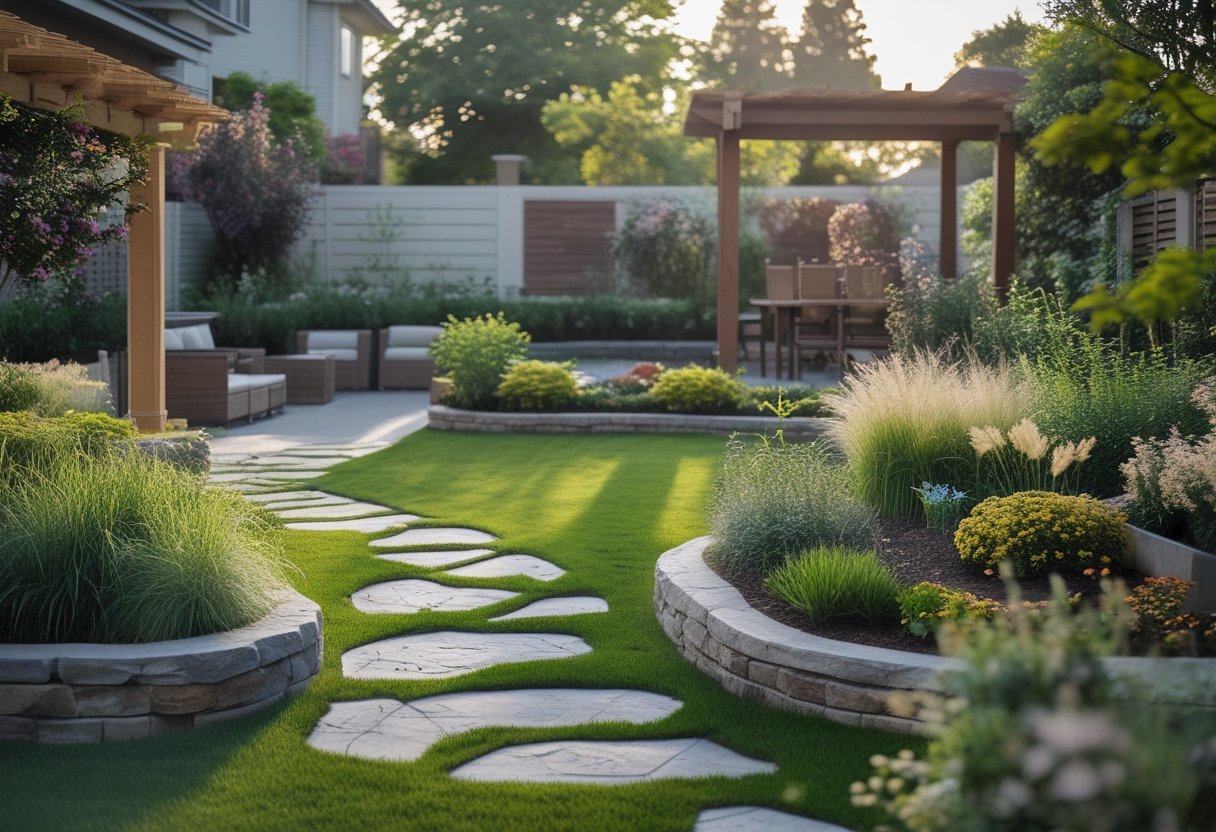
Dividing the space into functional zones can create order without requiring formal boundaries. A pathway can connect a seating area with planting beds, while strategically positioned shrubs provide visual separation. Consider walking surfaces, access to storage, and the location of outdoor lighting before finalizing permanent landscape features.
Choose Plants That Fit Local Conditions
Plant selection determines much of a landscape’s future maintenance burden. Species poorly adapted to local rainfall, temperature, or sunlight may require frequent watering, extra protection, and eventual replacement. Plants with mature sizes larger than their available spaces can also create avoidable pruning and crowding problems.
Consider regionally suitable native plants where appropriate, alongside other noninvasive species adapted to local conditions. Combining plants with different heights, textures, and flowering periods can create visual interest throughout the year. Leave enough space for mature growth and group plants with similar watering requirements to simplify routine care.
Make Water Management Part of the Design
Water movement affects almost every part of a successful backyard. Poor drainage can produce muddy pathways, damaged turf, and unhealthy roots, while inefficient irrigation wastes resources. Homeowners should observe how rainfall travels across the property before adding patios, raised beds, or extensive planting areas.
Direct water away from building foundations using appropriate grading and drainage solutions. Mulch can help reduce moisture evaporation from suitable planting beds, and drip irrigation may deliver water efficiently near plant roots. Watering schedules should reflect soil moisture and actual weather rather than operating automatically regardless of conditions.
Plan for the Garden You Will Maintain
Good landscaping develops gradually. Plants grow, seasonal conditions change, and household priorities evolve. Choosing durable materials and manageable planting arrangements helps an outdoor space remain useful without requiring continuous redesign or excessive maintenance expenses.
For homeowners seeking additional inspiration about outdoor improvement, edgabicated.com offers related lifestyle and gardening guidance. A successful backyard ultimately combines personal enjoyment, healthy plant growth, and maintenance expectations that fit everyday life.