

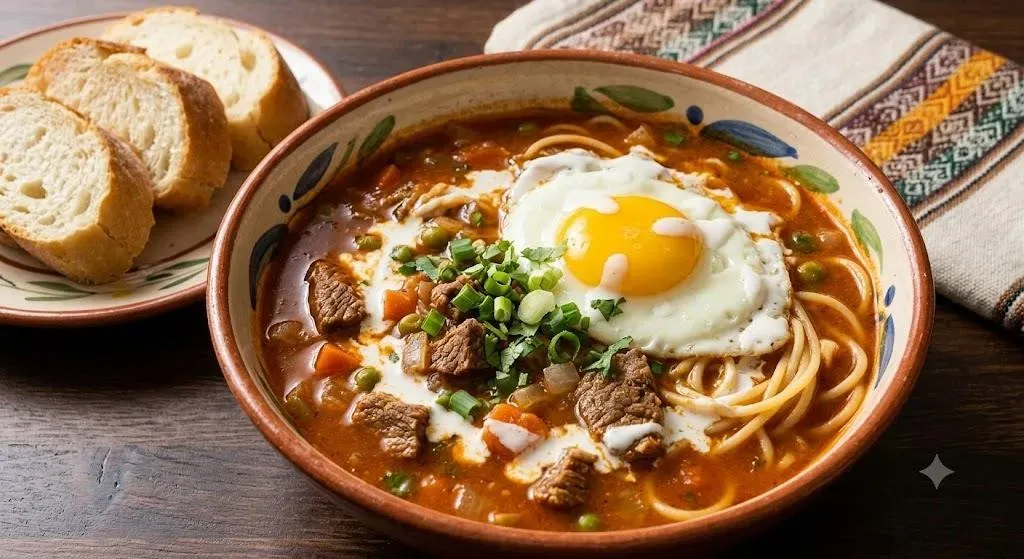
Good food does not always require expensive ingredients or complicated cooking methods. bestmenuideas.com offers inspiration for people who want practical meal ideas, useful cooking tips, and enjoyable food choices for everyday life. A satisfying meal can come from ordinary ingredients when they are prepared with a little thought. Some people enjoy experimenting with new flavours, while others prefer familiar dishes that never disappoint. Both approaches have their place in a useful home kitchen. The important thing is understanding what works for your taste, available time, and daily routine. Cooking becomes easier when meals are planned realistically instead of following complicated recipes every single day. Even a simple combination of vegetables, grains, spices, and fresh ingredients can create something worth serving. Food should be enjoyable, but it should also fit the way people actually live.
Planning Meals Around Daily Needs
Meal planning sounds like a difficult task when people imagine preparing an entire week’s food in advance. In reality, it can begin with a much smaller decision. Think about the meals you normally eat and identify which ingredients appear regularly. Rice, flour, lentils, vegetables, eggs, dairy products, and seasonal fruits can support many different dishes. Keeping these basic ingredients available makes everyday cooking less stressful.
A useful meal plan should consider working hours, family preferences, and cooking time. Someone who returns home late may prefer meals that require limited preparation. Another person might enjoy cooking more elaborate dishes during weekends. There is no reason to follow the same schedule as another household. The best arrangement is one that remains manageable during ordinary busy days.
Try planning a few main dishes instead of deciding every snack and side item. For example, cooked vegetables from one meal might become part of a filling wrap the following day. Extra rice can sometimes be used for a separate preparation when stored safely. Planning ingredients this way reduces unnecessary waste and gives leftovers a practical purpose.
It also helps to check the refrigerator before buying groceries. Many households purchase ingredients they already have because nobody checked the available supplies. A short inventory can prevent repeated purchases and reduce food spoilage. Keep frequently used items where they are easy to notice. This small habit can make kitchen management considerably simpler.
Choosing Fresh Seasonal Ingredients
Fresh ingredients can improve the taste and texture of everyday meals. Seasonal vegetables and fruits are often easier to find because local markets receive them in larger quantities. Their availability may also influence their price, depending on the region and season. Shopping according to local availability can therefore be a practical choice.
Freshness does not always mean choosing the most expensive produce. Look for vegetables with natural colour, firm texture, and no obvious signs of spoilage. Leafy vegetables should generally appear fresh rather than excessively wilted. Fruits should be selected according to their intended use because some dishes require ripe produce while others benefit from firmer pieces.
Different vegetables need different storage conditions. Leafy greens usually require refrigeration, while certain vegetables remain suitable in a cool, dry place. Keep produce away from excessive moisture when the variety does not need it. Remove damaged pieces when necessary and avoid storing spoiled ingredients beside fresh supplies.
Seasonal cooking also creates opportunities to try unfamiliar combinations. A vegetable that is commonly available during one season might become the main ingredient in several dishes. You can prepare it through roasting, steaming, sautéing, or adding it to a curry. Changing the cooking method can make the same ingredient feel completely different.
Making Simple Meals Interesting
Simple food can become repetitive when every meal uses the same preparation method. Changing spices, textures, and cooking techniques can make familiar ingredients more enjoyable. Rice, for example, can become a lightly seasoned side dish, a vegetable preparation, or part of a filling lunch. The ingredient remains familiar, but the final meal feels different.
Spices should be selected according to the dish rather than added without considering their flavour. Cumin, coriander, turmeric, black pepper, chilli, and cinnamon each create different results. Some spices become more aromatic when briefly heated in oil, while others work better when mixed into sauces. Learning these small differences can improve everyday cooking.
Texture deserves attention because meals can become less interesting when everything feels the same. A soft vegetable preparation may pair nicely with crisp salad or toasted bread. A creamy dish can feel more balanced when served with something lightly crunchy. These combinations do not require professional cooking skills.
Fresh herbs can also change the overall flavour of a dish. Coriander, mint, basil, and parsley provide different aromas depending on their use. Add delicate herbs near the end of cooking when their fresh flavour matters. Dried herbs can work well in longer preparations where their flavour has enough time to develop.
Getting Better At Cooking
Cooking skills usually improve through regular practice rather than complicated lessons. Start with dishes that use familiar ingredients and straightforward preparation steps. Learn how to wash, cut, season, cook, and store ingredients correctly. These basic skills support many recipes and reduce mistakes during busy meal preparation.
Temperature control is one area worth understanding carefully. Very high heat can burn spices or cause food to cook unevenly. Lower heat may be more suitable when ingredients need additional time to soften. The correct setting depends on the cooking method, cookware, and recipe instructions.
Do not assume that every dish needs constant stirring. Some preparations require occasional movement, while others need enough undisturbed time to develop their texture. Follow reliable recipe instructions when learning a new method. After gaining experience, you can make small adjustments according to the ingredients available.
Measuring ingredients can also help beginners achieve more consistent results. Too much salt, chilli, or liquid may change the final dish considerably. Use measuring spoons when a recipe requires accuracy, especially during baking. With regular practice, you may become comfortable estimating quantities for familiar everyday preparations.
Preparing Balanced Food Choices
A balanced meal usually includes different food groups rather than relying on one ingredient alone. Vegetables, fruits, grains, protein sources, and suitable fats can contribute different nutrients. The exact combination depends on individual needs, cultural preferences, and available ingredients. Variety across meals is generally more practical than trying to make every plate identical.
Vegetables can provide colour, texture, and important nutrients. Include different varieties throughout the week instead of depending on only one familiar option. Leafy greens, carrots, beans, cauliflower, pumpkin, and other vegetables can be prepared in several ways. Different colours often indicate different plant compounds, which makes variety useful.
Protein sources may include lentils, beans, chickpeas, eggs, dairy products, fish, poultry, tofu, and other suitable foods. Choose options according to personal preferences and dietary requirements. Combining different ingredients can also improve the variety of meals available at home. People with specific nutritional needs should follow appropriate professional guidance.
Whole grains can provide fibre and make meals more satisfying for many people. Brown rice, oats, whole wheat products, and other grains may fit different eating habits. Refined grains can also remain part of a varied diet when chosen appropriately. Portion sizes and overall dietary patterns matter more than judging one ingredient in isolation.
Reducing Food Waste Naturally
Food waste often begins with buying more ingredients than the household can use. Fresh vegetables may spoil when they remain forgotten inside crowded refrigerators. Bread, dairy products, and cooked meals can also become unusable when storage receives little attention. A simple shopping routine can prevent several of these problems.
Before visiting the market, check which ingredients need replacing. Prepare a short shopping list based on planned meals and available storage space. Avoid purchasing large quantities of delicate produce unless you have a clear plan. Buying smaller amounts more frequently may work better for households with limited storage.
Leftovers can be useful when they are handled and stored safely. Place cooked food into suitable containers and refrigerate it within a safe period. Keep containers covered and label them when several meals are stored together. Reheat food thoroughly according to appropriate food safety guidance.
Some ingredients can be used in more than one preparation. Extra vegetables may become part of a soup, filling, or mixed rice dish. Stale bread can sometimes be used in suitable cooked recipes when it remains safe to eat. Always check freshness carefully instead of trying to use food that shows spoilage.
Keeping Kitchen Hygiene Important
Kitchen cleanliness affects both food quality and household safety. Wash hands before preparing ingredients and after handling raw meat, poultry, seafood, or unwashed produce. Use clean utensils and suitable chopping surfaces for different food types. These habits help reduce the chance of harmful contamination during preparation.
Raw and cooked foods should remain separate whenever possible. Keep raw ingredients in suitable containers and prevent their juices from touching ready-to-eat food. Clean surfaces after preparing raw animal products. Washing equipment properly is important, especially when the same utensils will be used again.
Refrigerator organization also deserves regular attention. Store foods at appropriate temperatures and follow reliable storage guidance for different ingredients. Avoid leaving cooked dishes at room temperature for extended periods. Check food dates and remove items that are no longer safe to consume.
Personal hygiene is only one part of kitchen safety. Clean cloths, dry storage areas, and properly maintained cooking equipment also matter. Replace damaged utensils when they become difficult to clean. A tidy kitchen makes food preparation easier while reducing unnecessary handling.
Exploring Different Food Traditions
Food traditions provide many ideas for preparing familiar ingredients in new ways. Indian cooking includes regional dishes with different spices, textures, and preparation methods. Northern recipes may feature wheat-based foods, dairy, and rich gravies. Southern cooking often includes rice, lentils, coconut, and distinctive seasoning combinations.
Regional variety exists within every broad food tradition. Two households preparing the same dish may use different ingredients or techniques. Family preferences, local produce, and cooking habits influence the final result. This variation is one reason traditional recipes remain interesting across generations.
Trying food from other regions can also expand everyday cooking choices. A person who usually prepares simple vegetable dishes might explore a new lentil preparation. Someone familiar with rice meals could try different grain combinations. Start with manageable recipes and understand the ingredients before making major substitutions.
Food traditions should be approached with curiosity and respect. Some recipes have cultural or religious importance beyond their ingredients. Learning about their background can make cooking more meaningful. It also encourages people to appreciate the variety found in everyday meals.
Choosing Better Cooking Methods
The cooking method affects flavour, texture, preparation time, and sometimes nutritional value. Boiling, steaming, roasting, grilling, baking, and sautéing each suit different ingredients. Choosing the right method can improve the result without requiring additional seasoning. It is useful to understand what each technique does before preparing unfamiliar dishes.
Steaming can help vegetables retain their structure without requiring much added fat. Roasting creates browned surfaces and concentrated flavours in suitable ingredients. Sautéing works well when smaller pieces need quick cooking over controlled heat. Baking can be useful for dishes that require more even cooking throughout.
Deep frying may create a crisp texture, but it generally uses more oil than several other cooking methods. The choice depends on the recipe and personal preferences. If frying is part of your routine, pay attention to oil quality and safe handling. Avoid overheating oil or repeatedly using it beyond suitable limits.
Cookware also influences results. Heavy pans may retain heat differently from lightweight cookware. Non-stick surfaces require suitable utensils and careful maintenance. Choose equipment according to the dishes you prepare most often instead of buying every kitchen product available.
Making Breakfast More Satisfying
Breakfast can be simple while still providing a useful start to the day. Some people prefer traditional preparations, while others choose fruit, oats, eggs, or sandwiches. The right choice depends on appetite, schedule, dietary needs, and personal preference. A meal does not need elaborate presentation to be enjoyable.
Preparing a few ingredients beforehand can make mornings easier. Wash fruit, organize dry ingredients, or prepare suitable fillings during the previous evening. Store prepared food safely and follow refrigeration guidance where necessary. These small steps reduce the number of decisions required during busy mornings.
Variety can prevent breakfast from becoming repetitive. Rotate between different grains, protein sources, fruits, and savoury preparations. For example, one morning might include oats and fruit, while another includes eggs with whole grain toast. Different combinations help keep the routine interesting.
Avoid assuming that one breakfast style works for everyone. Some people prefer a larger morning meal, while others feel comfortable with something lighter. Individual health requirements may also influence suitable choices. Focus on a practical routine that supports your daily needs.
Organizing A Useful Pantry
A well-organized pantry makes cooking easier because ingredients remain visible and accessible. Store frequently used grains, lentils, spices, flour, and other dry goods in suitable containers. Keep containers clean and dry to protect their contents. Clear labels can help identify ingredients quickly, especially when several items look similar.
Check pantry supplies before buying replacements. Some ingredients remain useful for long periods, while others lose quality more quickly. Follow storage instructions and pay attention to unusual smells, moisture, insects, or damaged packaging. Do not use ingredients when their safety or quality becomes doubtful.
Arrange items according to how often they are used. Daily cooking ingredients should remain easy to reach, while occasional supplies can occupy less convenient shelves. Keep heavier containers in stable positions to reduce accidental spills. A simple arrangement often works better than an overly complicated storage system.
Spices deserve particular attention because their flavour can weaken over time. Store them away from direct sunlight, heat, and unnecessary moisture. Buy quantities that match your cooking habits rather than collecting every available variety. Fresh, suitable spices can make ordinary dishes more enjoyable.
Conclusion
Enjoyable everyday food comes from practical choices rather than complicated cooking routines. Fresh ingredients, sensible meal planning, useful kitchen habits, and different cooking methods can improve ordinary meals. Learning basic techniques also makes it easier to experiment without wasting ingredients or spending unnecessarily. Explore more recipes, meal inspiration, and practical cooking ideas through bestmenuideas.com. Start with one new dish this week and make it part of your regular cooking routine when it suits your taste and schedule.
Read also :-