
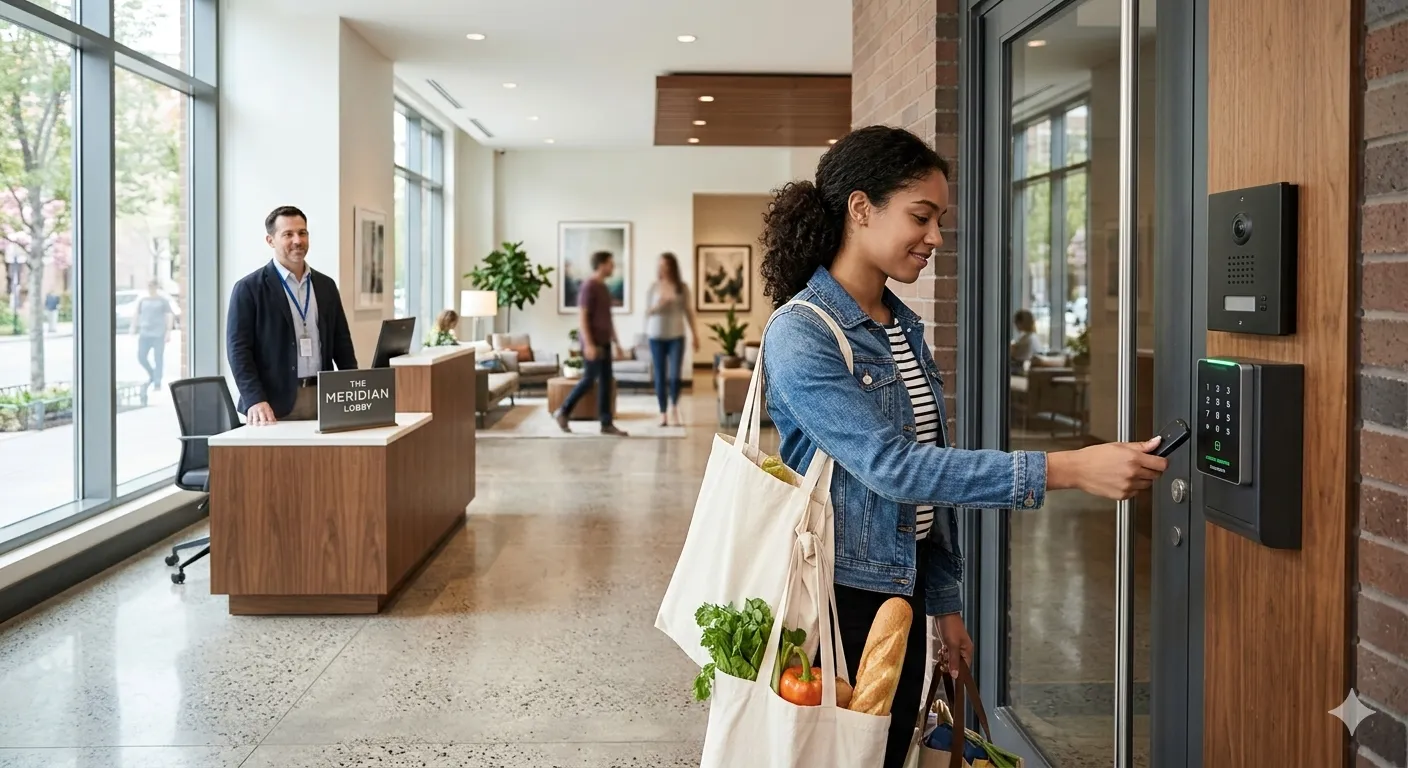
Managing access across rental properties involves more than handing tenants a set of keys. Property owners must balance convenient entry, controlled access, maintenance requirements, and changes in occupancy. A professional Locksmith can support these responsibilities through appropriate rekeying, lock maintenance, and compatible access systems. However, effective property security begins with clear management procedures rather than hardware alone. Understanding how different locking arrangements affect daily operations helps landlords and property managers protect buildings while maintaining reasonable access for residents, employees, and authorized service providers throughout each tenancy.
Establish Clear Property Access Responsibilities
Every managed property benefits from documented rules explaining who may hold keys and when access is permitted. Residential tenants, maintenance personnel, building managers, and cleaning contractors often require different levels of entry. Without proper records, duplicate keys can circulate long after their original purpose has ended. Property managers should identify authorized users, record issued keys, and establish procedures for reporting losses. These administrative measures create accountability without requiring complex technology. They also make it easier to identify which entrances need attention whenever responsibilities or occupancy arrangements change.
Plan Lock Changes Between Tenancies
Tenant turnover presents a natural opportunity to review entry security. Even when previous occupants return their keys, property owners cannot always confirm whether additional copies exist. Rekeying compatible locks changes which keys operate the cylinders while retaining functional hardware. This can provide an appropriate access reset without replacing every lock. Nevertheless, damaged mechanisms, excessive wear, or incompatible components may justify new hardware. Scheduling inspections between occupancies allows property managers to address these concerns before incoming residents begin moving belongings into the premises or requesting additional access.
Organize Access Across Multiple Units
Buildings containing several rental units require a more organized approach than single-family properties. Individual residents generally need access to their own premises, while authorized management personnel may require entry to designated service areas. Compatible master-key systems can sometimes accommodate different access levels without forcing every user to carry numerous keys. Their suitability depends on existing cylinders, hardware compatibility, and the building’s security requirements. A carefully planned arrangement should preserve private unit access while ensuring maintenance responsibilities can be performed through properly authorized procedures and established entry policies.
Examine Shared Entrances And Hardware
Communal entrances experience frequent use, which can place considerable strain on locking components. Doors serving lobbies, corridors, storage rooms, or shared facilities may develop alignment problems, loose handles, or unreliable latches. These defects can interfere with security even when the lock cylinder remains functional. Periodic inspections should consider door movement, closing mechanisms, strike plates, and visible hardware deterioration. Commercial-grade components may be appropriate for certain high-traffic entrances, although selection should reflect the building’s design, applicable requirements, and the actual frequency of daily operation.
Assess Electronic Entry System Suitability
Keyless technology can simplify access management in selected rental environments, particularly where authorized users change frequently. Depending on the product, electronic locks may support individual access codes or other administrative features. However, these benefits require careful consideration of battery maintenance, emergency entry procedures, physical compatibility, and user accessibility. A system that works effectively for a small apartment building may not suit a larger mixed-use property. Owners should assess practical operating requirements before replacing reliable mechanical locks with technology that introduces additional maintenance obligations.
Coordinate Repairs Without Disrupting Occupants
Lock maintenance becomes more complicated when residents depend on the affected entrances throughout the day. A defective common-area lock, for example, may require immediate attention while still allowing safe movement through the building. Managers should document symptoms, notify affected occupants when appropriate, and arrange authorized access for technicians. Describing the existing door hardware and providing photographs can assist with preliminary service planning. Repairs should also account for emergency exit arrangements, ensuring that work on locking equipment does not unintentionally obstruct required routes or compromise accessibility.
Review Security After Operational Changes
Changes involving contractors, employees, or building management can alter who possesses valid access credentials. A missing master key may present different concerns from an ordinary tenant key because it could operate several compatible locks. Property managers should review the potential exposure, identify affected doors, and determine whether rekeying or other access changes are appropriate. Documenting these decisions helps maintain continuity when administrative responsibilities change. Regular access reviews also reduce reliance on informal arrangements that become difficult to monitor as a property portfolio expands.
Conclusion
Reliable rental property security depends on thoughtful access planning, suitable locking hardware, and consistent maintenance practices. Owners who document key distribution and address mechanical concerns early can reduce avoidable disruptions while maintaining practical arrangements for authorized occupants. ATL Local Locksmith provides mobile residential and commercial services throughout Atlanta, including compatible lock rekeying, repairs, replacements, and master-key systems. Property managers reviewing their existing arrangements can contact the company to discuss door configurations, access requirements, and appropriate service options before scheduling work across one or several locations.