
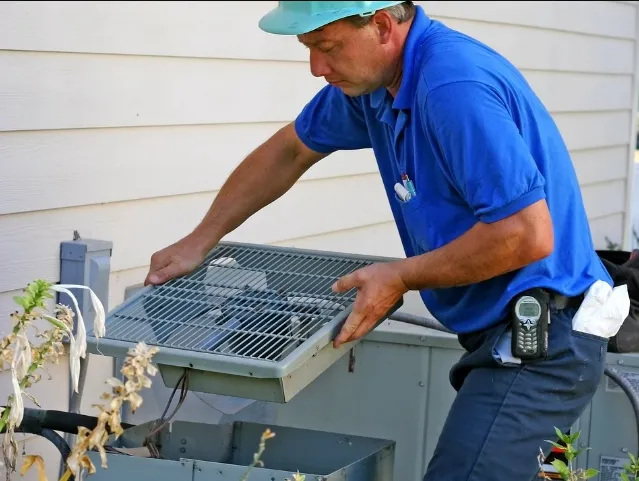
There’s never a convenient time for your air conditioner to stop working, but during a heatwave, it can quickly become more than just an inconvenience. High indoor temperatures can make your home uncomfortable, disrupt your sleep, and even pose health risks for young children, older adults, and anyone with certain medical conditions. While it’s easy to panic when your AC suddenly shuts down, taking a few practical steps can help you stay safe and may even save you from an unnecessary repair bill. If the problem turns out to be more serious, arranging AC repair in Malvern, PA as soon as possible can help restore your home’s comfort before the heat becomes unbearable.
Before assuming the worst, remember that not every cooling issue means your air conditioner has completely failed. Some problems have surprisingly simple solutions, while others require the attention of a qualified HVAC technician. Knowing what to check first can help you determine the next step.
Start with the Simple Checks
When your air conditioner suddenly stops working, it’s worth ruling out a few common issues before calling for service. Sometimes the fix is much simpler than homeowners expect.
Begin by checking:
● Is the thermostat set to Cool instead of Heat or Fan?
● Has someone accidentally changed the temperature setting?
● Are the circuit breakers still switched on?
● Has the emergency shut-off switch been turned off?
● Is the air filter clogged and restricting airflow?
These quick checks only take a few minutes and can often solve problems that seem much more serious than they really are.
Check Whether the Outdoor Unit Is Running
Your air conditioning system relies on both the indoor and outdoor units working together. If the indoor fan is running but the outdoor condenser isn’t, the system won’t be able to remove heat from your home effectively.
Walk outside and listen for the outdoor unit. If it’s completely silent, there may be an electrical issue, a failed capacitor, or another mechanical problem. Avoid trying to open the equipment or repair electrical components yourself, as these systems should only be serviced by trained professionals.
Replace a Dirty Air Filter
A clogged air filter is one of the most common reasons an air conditioner struggles during periods of extreme heat. When airflow becomes restricted, the system has to work much harder to cool your home. In some cases, limited airflow can even cause the evaporator coil to freeze, preventing the air conditioner from cooling altogether.
If the filter looks dirty or hasn’t been replaced in several months, installing a new one is a simple step that may improve performance. Even if it doesn’t solve the immediate issue, a clean filter helps your system operate more efficiently.
Give the System Time if It Has Frozen
It may sound surprising, but air conditioners can freeze even during very hot weather. Poor airflow or refrigerant-related issues can cause ice to form on the evaporator coil, reducing the system’s ability to cool your home.
Signs of a frozen system include:
● Warm air coming from the vents
● Ice on refrigerant lines
● Water pooling around the indoor unit
● Weak airflow throughout the house
If you suspect the system has frozen, switch the thermostat to Off and leave the fan running. This can help the ice melt naturally. Once everything has thawed, you can try restarting the system. If the problem returns, professional repairs are usually needed.
Keep Your Home as Cool as Possible
While you’re waiting for repairs, there are several ways to reduce indoor temperatures and make your home more comfortable.
Try these simple strategies:
● Close curtains and blinds during the hottest part of the day.
● Keep doors and windows closed to prevent hot air from entering.
● Avoid using ovens, dryers, and other heat-producing appliances.
● Run ceiling fans to improve air circulation.
● Drink plenty of water and stay hydrated.
These steps won’t replace air conditioning, but they can help slow the rise in indoor temperatures until your system is repaired.
Know When It’s Time to Call a Professional
Some AC problems require specialized tools and training to diagnose safely. Continuing to run a damaged system can sometimes make the problem worse, leading to more expensive repairs.
It’s best to schedule professional service if you notice:
● The system repeatedly trips the circuit breaker.
● Warm air continues blowing from the vents.
● Strange noises such as grinding or banging.
● Burning or unusual odors.
● Water leaking around the indoor unit.
● The system refuses to start after basic troubleshooting.
Prompt repairs can often prevent additional damage and restore your cooling system more quickly.
How to Reduce the Risk of Future Breakdowns
While no air conditioner lasts forever, regular maintenance greatly reduces the chances of unexpected failures during the hottest days of the year.
Simple preventative measures include:
● Replacing air filters regularly.
● Scheduling annual AC maintenance before summer.
● Keeping the outdoor condenser free from leaves and debris.
● Making sure supply and return vents remain unobstructed.
● Paying attention to unusual sounds or reduced cooling performance.
Routine maintenance helps your system operate more efficiently while allowing technicians to identify small problems before they develop into major repairs.
Final Thoughts
An air conditioner that stops working during a heatwave can quickly turn a comfortable home into an uncomfortable one, but staying calm and following a few basic troubleshooting steps can help you determine whether the problem has a simple solution or requires professional attention.
Checking your thermostat, replacing a dirty filter, inspecting the outdoor unit, and recognizing the signs of a frozen system are all worthwhile first steps. If those measures don’t restore cooling, contacting a qualified HVAC professional as soon as possible is the safest way to get your system back up and running. Acting quickly not only restores comfort but can also help prevent a minor issue from becoming a much more costly repair.