

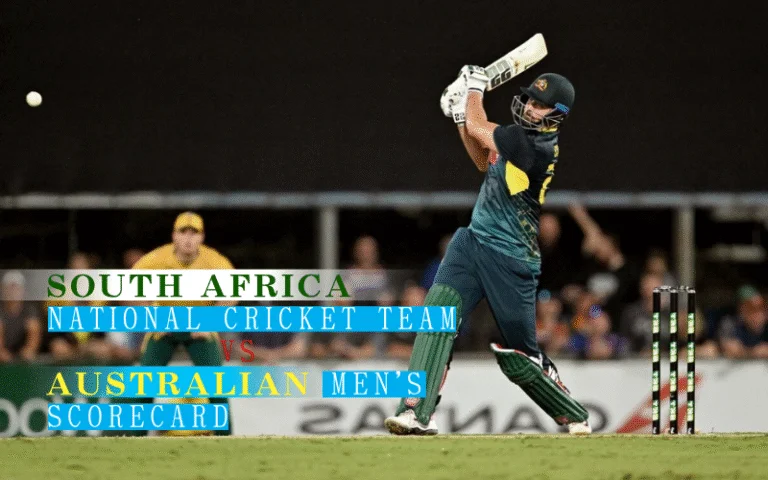
A cricket innings can change direction after just a few important dismissals. cricketteamscore.com provides a useful starting point for exploring cricket scorecards, innings progress, and team statistics. The fall of wickets section records the team score when each dismissal occurs. It helps readers understand when batters lost their wickets and how the innings developed. A final total cannot always explain whether a team started strongly or struggled throughout. The dismissal sequence provides additional information about those important stages. Early wickets may create pressure, while later dismissals can interrupt a promising finish. Readers can use this section to identify collapses, recoveries, and valuable partnerships. It is especially useful when reviewing a completed match without watching every delivery.
Reading The Wicket Sequence
The fall of wickets section usually lists the team score and over when each batter gets dismissed. Some scorecards also identify the player who lost their wicket. This creates a simple record of how the innings progressed. For example, a scorecard might show the first wicket falling at twenty-five runs. The second dismissal could occur after the team reaches sixty. These figures reveal how much the team scored between wickets. Readers can follow the sequence from the first dismissal to the final wicket. The information becomes more useful when compared with individual batting scores. A batter who scores quickly may help the team recover after an early dismissal. Another player may get out soon after entering the crease. The sequence helps explain these changes. It should be read alongside the batting and partnership sections for a fuller picture.
Why Early Wickets Matter
Early wickets can create pressure because the batting team loses players before establishing a strong total. Opening batters usually face the new ball and the opposition’s leading bowlers. Their dismissals may expose the middle order earlier than planned. This can force the next players to adjust their approach. Some teams respond by batting cautiously and rebuilding their innings. Others continue attacking because the match situation demands quicker scoring. The fall of wickets section helps identify these early setbacks. Readers can compare the first few dismissal scores with the final total. A team losing three wickets for a low score may need a strong recovery. However, early wickets do not automatically mean the innings will fail. A successful partnership can still change the direction of the match.
Recognising Batting Collapses
A batting collapse occurs when several wickets fall within a relatively short period. The team may lose its scoring momentum and struggle to build partnerships. Fall of wickets information makes these periods easier to identify. Readers can examine the difference between successive dismissal scores. If several wickets fall with only a few additional runs, the team may have experienced serious pressure. Ball-by-ball records can provide further details about the deliveries involved. A collapse may happen because bowlers find movement or exploit weaknesses. Poor shot selection and difficult pitch conditions can also contribute. Sometimes one dismissal creates pressure that affects the next batter. The scorecard records the outcome, although it cannot explain every decision. Comparing wickets, partnerships, and individual scores provides a more balanced understanding. A collapse should be examined through the complete innings rather than one statistic alone.
Finding Important Recovery Periods
Not every difficult start leads to a disappointing innings. Teams can recover after losing early wickets through careful partnerships. The fall of wickets sequence helps readers identify where that recovery began. Suppose a team loses three wickets before reaching forty runs. Its next dismissal might not arrive until the total reaches one hundred and thirty. This suggests that the middle order built a substantial partnership. Individual batting figures can identify which players contributed most. Partnership statistics explain how the runs were shared. Readers should also examine how many balls the pair faced. A longer partnership may have stabilised the innings. A quicker one might have helped restore the scoring rate. These details show how teams respond after losing important batters. Recovery periods are often just as important as early scoring.
Connecting Wickets With Partnerships
Partnerships and fall of wickets figures work together. Each dismissal generally marks the end of one batting partnership. The next batter then begins a new partnership with the player already at the crease. This creates a sequence of contributions throughout the innings. Scorecards may show the runs added before every wicket. Readers can compare those totals with the fall of wickets scores. This helps explain how much each partnership contributed to the team total. A large partnership after early wickets may represent a significant recovery. Several smaller partnerships can also create a competitive total. The number of partnerships matters less than their effect on the match situation. Readers should avoid assuming that only the largest stand was important. Every partnership can provide runs at a useful stage. The dismissal sequence makes those contributions easier to follow.
Understanding Middle Order Pressure
Middle-order batters often enter the game when the innings has already developed. Their responsibilities depend on the number of wickets lost and the scoring rate. If early wickets fall quickly, they may need to rebuild. If the opening pair scores heavily, they may continue attacking. The fall of wickets section shows when these responsibilities changed. A middle-order dismissal may expose lower-order players earlier than expected. This can affect the team’s final scoring options. Readers should check the batting order alongside the dismissal sequence. A player batting at number four may have a different role from someone entering near the end. The match format also influences the available approach. Test matches allow more time for recovery, while T20 innings offer fewer deliveries. Context helps explain why particular wickets mattered.
Lower Order And Final Overs
The lower order often becomes important when the innings approaches its final stage. Specialist bowlers may need to contribute runs alongside established batters. A wicket falling during the final overs can change the team’s scoring options. The fall of wickets section helps identify when the last players entered. Readers can compare these dismissal points with the remaining overs. If several wickets fall quickly, the team may struggle to use its full batting allocation. Another side might lose wickets while still scoring aggressively. The final total depends on both available batters and remaining deliveries. Individual scores can reveal whether lower-order players added useful contributions. Bowling figures may explain which opponents created the late pressure. Examining these sections together provides a better understanding of the innings finish.
Comparing Two Team Innings
Fall of wickets information can help compare how both teams approached a match. One side may lose early wickets but recover through partnerships. The opposition might maintain steady progress without experiencing a major collapse. These differences can influence the final result. Readers should compare dismissal scores rather than looking only at total wickets lost. Two teams may both lose seven wickets, but their innings can develop very differently. One side might lose wickets gradually across the innings. Another may lose several players within a short period. The timing of dismissals provides useful context. The batting order and match format should also be considered. Comparisons become more accurate when readers examine individual scores and partnerships. This approach avoids judging teams only by the final total.
Wickets During A Run Chase
Fall of wickets becomes particularly useful when following a team chasing a target. Each dismissal can increase pressure because the batting side has fewer players available. Readers can compare the current team score with the target and wickets remaining. A team may be close to the target but still face difficulty after losing several established batters. Another side might have many wickets available but need a high scoring rate. The dismissal sequence helps explain how the chase developed. Required run rate provides additional information about the scoring demand. Remaining overs also influence the decisions made by batters. A wicket falling during the final overs may create immediate pressure. Readers should examine the target, current score, and wickets together. No single figure can fully explain the difficulty of a chase.
Using Scorecards For Analysis
Fall of wickets information can support more detailed match analysis. Coaches, players, commentators, and regular followers may use it to review important innings periods. It can reveal whether teams repeatedly lose wickets during similar stages. It may also help identify situations where partnerships become difficult to establish. However, readers should avoid drawing strong conclusions from one match. A single innings cannot prove a permanent weakness. Comparing several scorecards may reveal more reliable patterns. Match conditions, opposition quality, and player availability should also be considered. Reliable analysis uses several sources of information. The fall of wickets section is one useful part of that process. It becomes most valuable when connected with batting figures, bowling performances, and match circumstances. Careful comparisons produce better conclusions.
Conclusion
The fall of wickets section explains how a cricket innings develops through successive dismissals. It helps readers identify early setbacks, batting collapses, recovery partnerships, and late pressure. Comparing these details with individual scores provides a clearer view of team performance. Readers should also consider match format and available overs before judging an innings. Use complete scorecards to follow dismissal patterns and understand the moments that influence cricket results.
Read also :-