
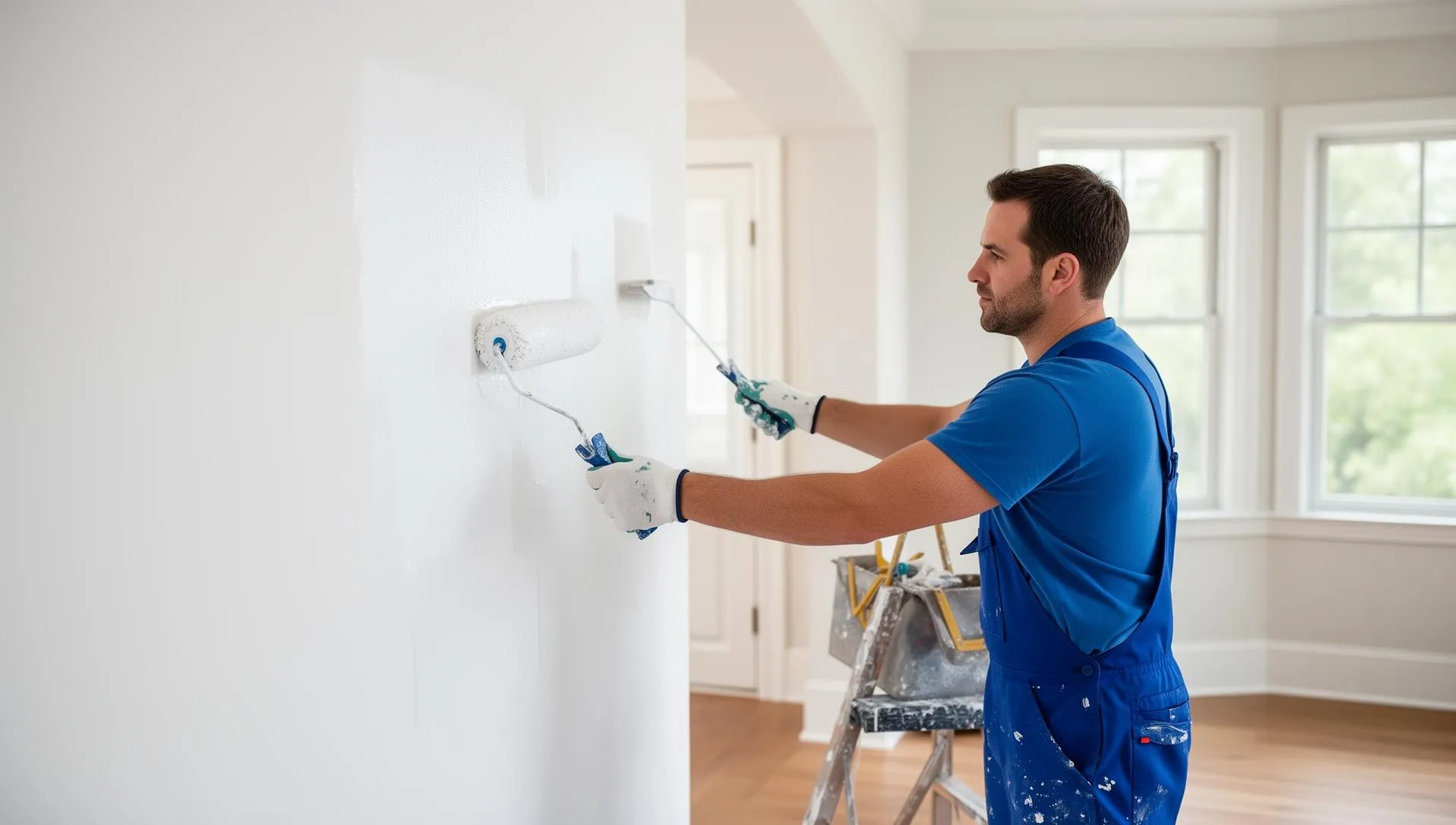
A commercial repaint can improve a business environment while creating temporary obstacles for staff and customers. Retail spaces, offices, and service locations cannot always close for several days. Businesses comparing Painting Companies Bakersfield CA should consider access, surface preparation, odor, safety, and work sequencing together. The best plan recognizes that a successful painting job must fit around operations as well as deliver a consistent finish.
Identify the Business-Critical Zones
Entrances, checkout areas, corridors, and customer seating have different access requirements. Mark places that must remain open and those that can be temporarily isolated.
A floor plan with priorities helps determine work phases. It also reduces the chance that an essential door or workstation becomes unavailable without warning.
Separate Public and Back-of-House Work
Customer-facing walls may need especially careful masking and finish consistency. Storage and utility areas often present different material and durability concerns.
A single paint specification is not necessarily suitable for every surface. Choose products and preparation based on use, substrate, and cleaning requirements.
Ask whether any areas require special access equipment, such as a lift for high ceilings or walls. Access planning can influence cost, closure zones, and safety procedures. A detailed site visit is often more useful than requesting a firm price based on a few photographs.
Plan Around Daily Traffic
Opening hours, deliveries, shift changes, and peak customer periods influence painting schedules. Work planned for low-traffic times can reduce interference with normal activities.
Some tasks still require temporary restrictions while products dry or cure. Be precise about when an area can be safely reopened rather than promising that every space will remain accessible.
Set Clear Protection Standards
Computers, inventory, signage, shelving, and finished floors require thoughtful protection. Discuss moving responsibilities and the boundaries of the contractor’s work before the start date.
House Painters in Bakersfield CA familiar with occupied properties may use similar protection principles, but a commercial setting adds operational constraints that should be written into the project plan.
Address Existing Surface Failures
Peeling around an exterior entrance or bubbling near a restroom may signal a condition that paint cannot repair. Identify moisture, damage, and adhesion problems first.
A successful topcoat begins with a suitable substrate. Covering an unresolved issue can make the space look improved temporarily while the underlying defect continues.
A phased commercial project also needs a procedure for unexpected discoveries. Loose wall materials, staining, or deteriorated caulk may change preparation needs. Agree on who authorizes additional work and how changes are documented, so operational decisions are not made hurriedly during a busy shift.
Communicate With Employees
Staff should know which rooms, entrances, and walkways will be affected. Provide a simple schedule and a contact for questions or unexpected changes.
Good communication avoids small disruptions becoming major complaints. It also helps employees plan meetings, customer visits, and cleaning tasks around the work.
Inspect After Each Phase
Phased work allows managers to review preparation, edges, uniformity, and cleanup before the contractor moves to the next area. Problems are easier to correct when caught early.
Keep a short punch list rather than relying on memory. Include dates for any agreed touch-ups and identify the person responsible for final sign-off.
Ask who will coordinate any alarms, building access credentials, or restricted work zones. A painter may need to enter outside normal business hours, but security procedures still apply. Clear approvals prevent well-intended work crews from encountering locked areas or disrupting safety systems.
Consider Ongoing Wear
Busy facilities may need more frequent attention at doors, corners, and shared corridors. Durable finish selection can help, but no coating resists every impact or cleaning chemical.
Document products and maintenance methods. Simple cleaning guidance and prompt spot repairs often preserve a professional appearance longer than waiting for widespread damage.
Think about accessibility during the project. Alternate routes should be clear and suitable for customers and staff who cannot use stairs or narrow temporary walkways. Operational convenience should never override safe access.
Conclusion
Commercial painting requires coordination just as much as application skill. A phased plan, safe access arrangements, and clear standards can improve the result without unnecessarily interrupting business. Patrickholmespainting.com includes commercial painting within its services. Organizations planning a repaint should judge proposals by preparation and operational fit, not solely by the promised completion date.