
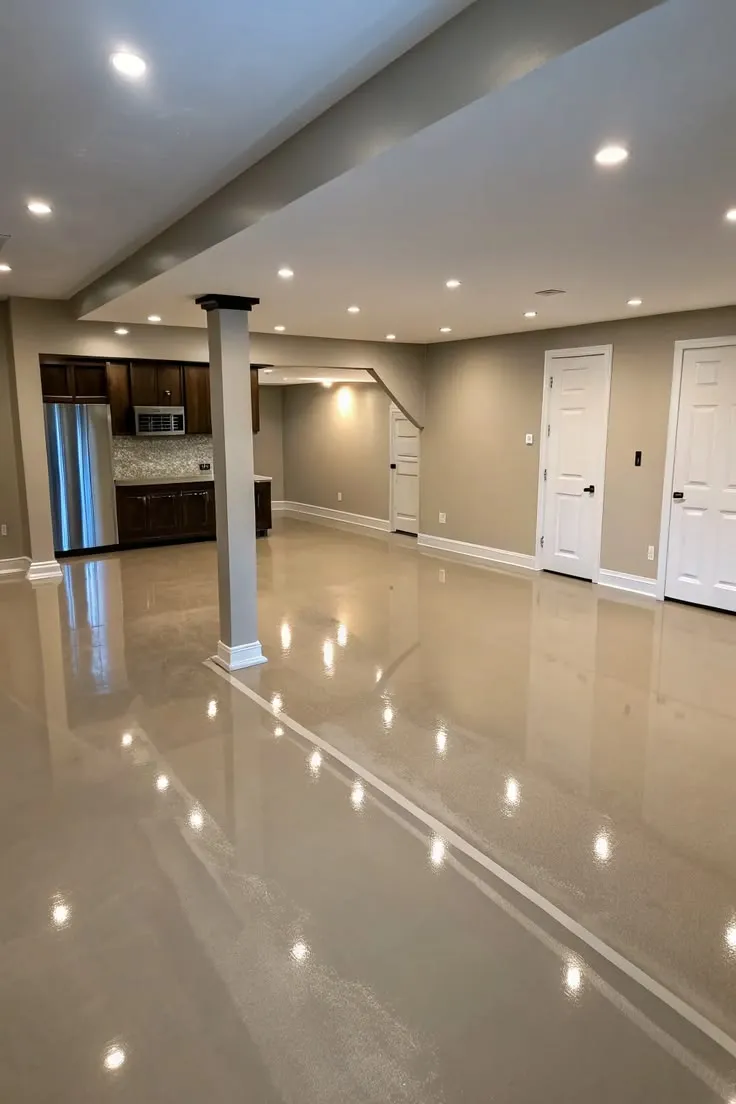
An unfinished basement offers valuable square footage, but bare concrete can make the area feel cold, dusty, and disconnected from the rest of the home. Families may want space for exercise, storage, hobbies, or entertainment without installing delicate flooring materials. A professionally installed basement epoxy floor can provide a seamless protective finish over suitable concrete. However, successful renovations begin with understanding moisture conditions, everyday activities, and practical design requirements. Selecting an attractive color should come after determining whether the existing slab can support the proposed system.
Decide What the Basement Should Become
A family entertainment room requires different flooring characteristics from a workshop or home fitness area. Entertainment spaces may prioritize appearance and comfortable furniture arrangements, while hobby areas need surfaces that tolerate frequent cleaning and equipment movement.
Before making changes, measure the space and identify permanent fixtures, access doors, and storage requirements. Planning around actual activities prevents costly adjustments after flooring installation and helps determine whether additional lighting or ventilation improvements are necessary.
Investigate Moisture Before Choosing Materials
Basements can experience moisture from ground conditions, plumbing leaks, condensation, or inadequate drainage. Even concrete that appears dry may contain moisture that affects coating adhesion. Persistent dampness should never be concealed beneath a decorative finish.
A professional assessment may involve moisture testing and checking cracks, wall connections, and previous coating failures. Where active water intrusion exists, its source should be corrected before flooring work begins. Epoxy should not be treated as a substitute for basement waterproofing.
Compare Finishes for Different Activities
Modern epoxy flooring offers a variety of colors and decorative treatments. Solid-color systems create a simple appearance, while decorative flakes can introduce visual texture and complement furniture or storage cabinets.
However, highly glossy surfaces may become slippery when wet or reveal scratches under strong lighting. Homeowners should discuss traction, expected traffic, and cleaning requirements. Appropriate protective topcoats and surface textures can help match the finish to its intended use.
Prepare the Basement for Installation
Before applying a coating, installers must evaluate the concrete surface. Previous paint, adhesive residue, oil contamination, and weak surface material can interfere with proper bonding. Mechanical grinding may be required to prepare the slab.
A practical preparation checklist includes:
-
Inspecting cracks, uneven sections, and old coatings.
-
Investigating visible dampness or water intrusion.
-
Removing furniture and movable storage equipment.
-
Reviewing color, gloss, and traction preferences.
-
Confirming ventilation and curing requirements.
These preparations help establish a realistic installation schedule. Contractors should also explain which repairs are included in their quotation and whether hidden defects may require additional work.
Coordinate Flooring With Other Renovations
A basement upgrade may involve electrical improvements, drywall repairs, painting, and storage installation. Scheduling flooring work alongside these activities requires careful coordination to prevent damage to newly completed surfaces.
Grinding can generate dust and noise, making appropriate extraction and work-area isolation important. Contractors should discuss access restrictions and ventilation before starting. Homeowners must also confirm when furniture, appliances, and regular foot traffic can safely return.
Make the Space Comfortable Throughout the Year
A finished floor improves appearance, but basement comfort depends on more than the surface. Heating, lighting, ventilation, and humidity management influence whether people enjoy spending time in the room.
Area rugs or suitable exercise mats may provide additional comfort in designated spaces. However, coverings should be compatible with the installed coating and placed only after proper curing. Furniture pads can also help prevent unnecessary scratching.
Develop a Simple Maintenance Routine
Routine sweeping helps remove abrasive dirt that might gradually affect the protective finish. Spills should be cleaned promptly using products recommended for the installed coating system, while aggressive solvents should be avoided unless specifically approved.
Homeowners should periodically inspect basement walls, plumbing connections, and floor edges for signs of moisture. Unusual lifting, staining, or persistent dampness warrants investigation. Maintaining the surrounding environment supports the flooring’s long-term performance and helps preserve the overall renovation.
Conclusion
A successful basement renovation balances appearance, moisture management, comfort, and practical everyday use. Epoxy systems can provide attractive protection for properly prepared concrete, but material selection should follow a careful assessment of existing conditions. Professional installation and appropriate maintenance remain essential for dependable results. Homeowners throughout Salt Lake City, Kamas, and surrounding Utah communities can explore residential coating solutions through hardrockconcretecoatings.com when planning basement improvements that support family activities, organized storage, and long-term property care.