

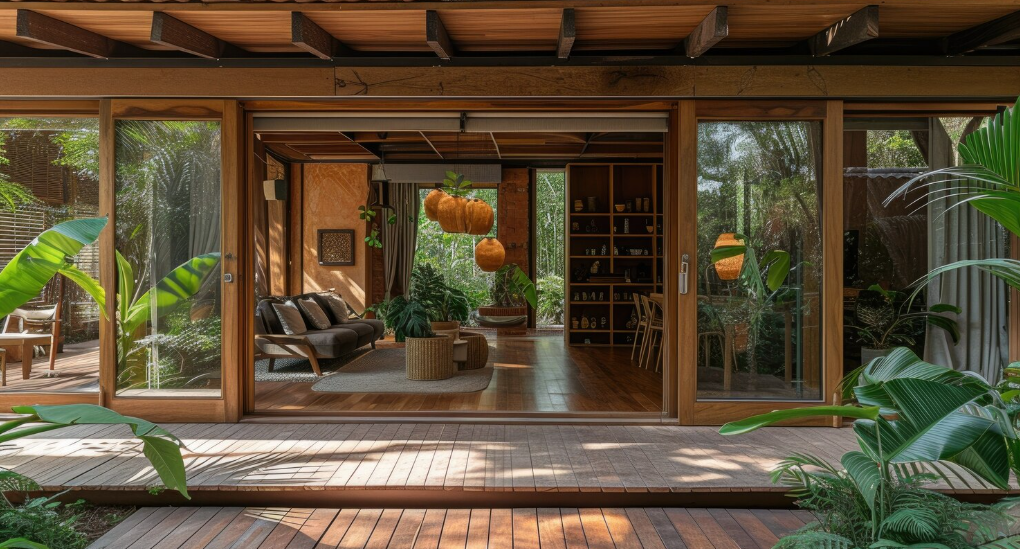
There’s a quiet shift happening in the world of high-end construction. Walk through any newly built luxury home, and you’ll notice something different underfoot—something richer, warmer, and unmistakably refined. It’s not composite. It’s not treated pine. It’s tropical hardwood.
For years, builders experimented with synthetic alternatives, promising low maintenance and uniformity. Yet today, many of the most respected names in luxury construction are returning to natural materials—specifically hardwood decking for construction projects. And this isn’t just a trend. It’s a response to performance, aesthetics, and long-term value.
Let’s unpack why tropical hardwood decking is becoming the gold standard for outdoor finishes in upscale builds.
The Rise of Tropical Hardwood in Modern Construction
Luxury construction has always been about more than just building homes—it’s about crafting experiences. Outdoor living spaces are no longer an afterthought; they’re extensions of the home itself. From rooftop terraces to poolside lounges, every detail matters.
That’s where hardwood decking for construction projects comes in. Tropical hardwoods such as ipe, cumaru, tigerwood, and garapa offer a rare combination of strength, elegance, and longevity. Builders are increasingly choosing these materials not just for how they look on day one, but for how they perform over decades.
Moreover, homeowners today are more informed. They’re asking better questions about durability, sustainability, and return on investment. Tropical hardwood answers all three.
What Makes Tropical Hardwood So Special?
Natural Density and Strength
Tropical hardwoods are incredibly dense—far denser than domestic softwoods. This density translates into superior resistance against:
- Moisture absorption
- Insect damage
- Rot and decay
- Warping and cracking
In fact, many tropical hardwood species have a lifespan of 40 to 75 years when properly installed. That’s a level of durability that synthetic alternatives struggle to match.
Built-In Weather Resistance
Unlike pressure-treated lumber, tropical hardwood doesn’t rely on chemical treatments. Its resistance is natural. Oils within the wood act as a barrier against harsh weather conditions, making it ideal for:
- Coastal environments
- High humidity regions
- Areas with heavy rainfall
- Extreme temperature fluctuations
This is one of the key reasons hardwood decking for construction projects is favored in luxury builds where performance cannot be compromised.
Aesthetic Appeal That Synthetic Materials Can’t Replicate
Let’s be honest—appearance matters. Especially in luxury homes.
Tropical hardwood offers:
- Rich, natural grain patterns
- Deep, warm color tones
- A premium, organic feel
- Unique variations in each plank
No two boards are identical. That subtle variation adds character and depth, something composite decking often lacks due to its uniform appearance.
Over time, hardwood decking develops a sophisticated silver-gray patina if left untreated. However, it can also retain its original color with simple oiling, giving homeowners flexibility in design.
Why Builders Are Moving Away from Composite Decking
Composite decking had its moment. It promised convenience, low maintenance, and resistance to wear. But over time, several limitations became apparent.
Common Issues with Composite Materials
- Fading and discoloration under UV exposure
- Surface heating in direct sunlight
- Limited structural strength
- Artificial appearance
- Susceptibility to mold in certain climates
While composite products continue to improve, many builders find that hardwood decking for construction projects offers a more reliable and visually appealing solution.
Sustainability and Environmental Responsibility
At first glance, tropical hardwood might raise sustainability concerns. However, responsibly sourced hardwood tells a different story.
Certified and Sustainable Sourcing
Reputable suppliers provide wood certified by organizations like FSC (Forest Stewardship Council). This ensures:
- Ethical harvesting practices
- Forest regeneration
- Protection of biodiversity
- Reduced environmental impact
Additionally, because hardwood lasts significantly longer than alternatives, it reduces the need for replacement—ultimately lowering overall resource consumption.
Cost vs. Value: A Long-Term Perspective
One of the biggest misconceptions about tropical hardwood is its cost. Yes, the upfront price is higher than pressure-treated wood or basic composite. However, focusing solely on initial cost misses the bigger picture.
Cost Comparison Table
|
Material Type |
Initial Cost |
Lifespan (Years) |
Maintenance Level |
Long-Term Value |
| Pressure-Treated Wood | Low | 10–15 | High | Low |
| Composite Decking | Medium | 20–30 | Medium | Medium |
| Tropical Hardwood | High | 40–75 | Low | High |
When you factor in longevity, reduced maintenance, and enhanced property value, hardwood decking for construction projects becomes a smart investment.
Design Versatility for Luxury Spaces
Tropical hardwood isn’t just about performance—it’s about possibility.
Builders and designers appreciate its versatility for:
- Pool decks
- Rooftop terraces
- Garden walkways
- Outdoor kitchens
- Waterfront properties
It can be installed in various patterns, including:
- Horizontal layouts
- Diagonal designs
- Herringbone patterns
- Mixed-width planking
This flexibility allows architects to create truly bespoke outdoor environments.
Installation Considerations
Working with tropical hardwood requires expertise. Its density, while beneficial, demands precision during installation.
Key Installation Tips
- Pre-drilling is often required
- Stainless steel fasteners prevent corrosion
- Proper spacing ensures ventilation
- Hidden fastening systems enhance aesthetics
Experienced contractors understand these nuances, ensuring the decking performs as expected for decades.
Maintenance: Simpler Than You Think
There’s a myth that hardwood decking requires constant upkeep. In reality, maintenance is straightforward.
Basic Maintenance Routine
- Regular cleaning with mild soap and water
- Annual oiling (optional, for color retention)
- Occasional inspection for debris buildup
Unlike softwoods, tropical hardwood doesn’t splinter easily, and it maintains structural integrity even with minimal care.
Increased Property Value and Buyer Appeal
Luxury buyers notice details. Outdoor spaces are no longer secondary—they’re essential selling points.
Homes featuring hardwood decking for construction projects often benefit from:
- Higher resale value
- Faster market turnover
- Stronger buyer interest
- Enhanced curb appeal
In competitive real estate markets, these factors can make a significant difference.
Common Tropical Hardwood Species Used in Construction
Ipe (Brazilian Walnut)
- Extremely dense and durable
- Dark brown tones
- Fire-resistant properties
Cumaru
- Slightly lighter than ipe
- Golden to reddish hues
- Excellent hardness
Tigerwood
- Striking striped appearance
- Unique visual appeal
- Strong and resilient
Garapa
- Lighter golden color
- Smooth texture
- Budget-friendly compared to other hardwoods
Each species brings its own character, allowing builders to match the material with the project’s design vision.
Why High-End Builders Are Making the Switch
Let’s bring it all together. The shift toward hardwood decking for construction projects isn’t random—it’s driven by clear advantages:
- Superior durability and lifespan
- Natural resistance to environmental damage
- Premium aesthetic quality
- Long-term cost efficiency
- Increased property value
- Sustainable sourcing options
In short, tropical hardwood aligns perfectly with the expectations of luxury construction.
Final Thoughts
Luxury construction is evolving, and materials are evolving with it. Builders are no longer chasing shortcuts—they’re investing in quality that stands the test of time.
Tropical hardwood decking represents that philosophy. It’s not just a surface to walk on; it’s a statement of craftsmanship, durability, and design excellence.
If you’re planning a high-end project or simply exploring better outdoor solutions, it’s worth taking a closer look at hardwood decking for construction projects. The upfront investment may be higher, but the long-term rewards speak for themselves.
What do you think about this shift toward natural materials? Share your thoughts, or pass this along to someone planning their next build.