
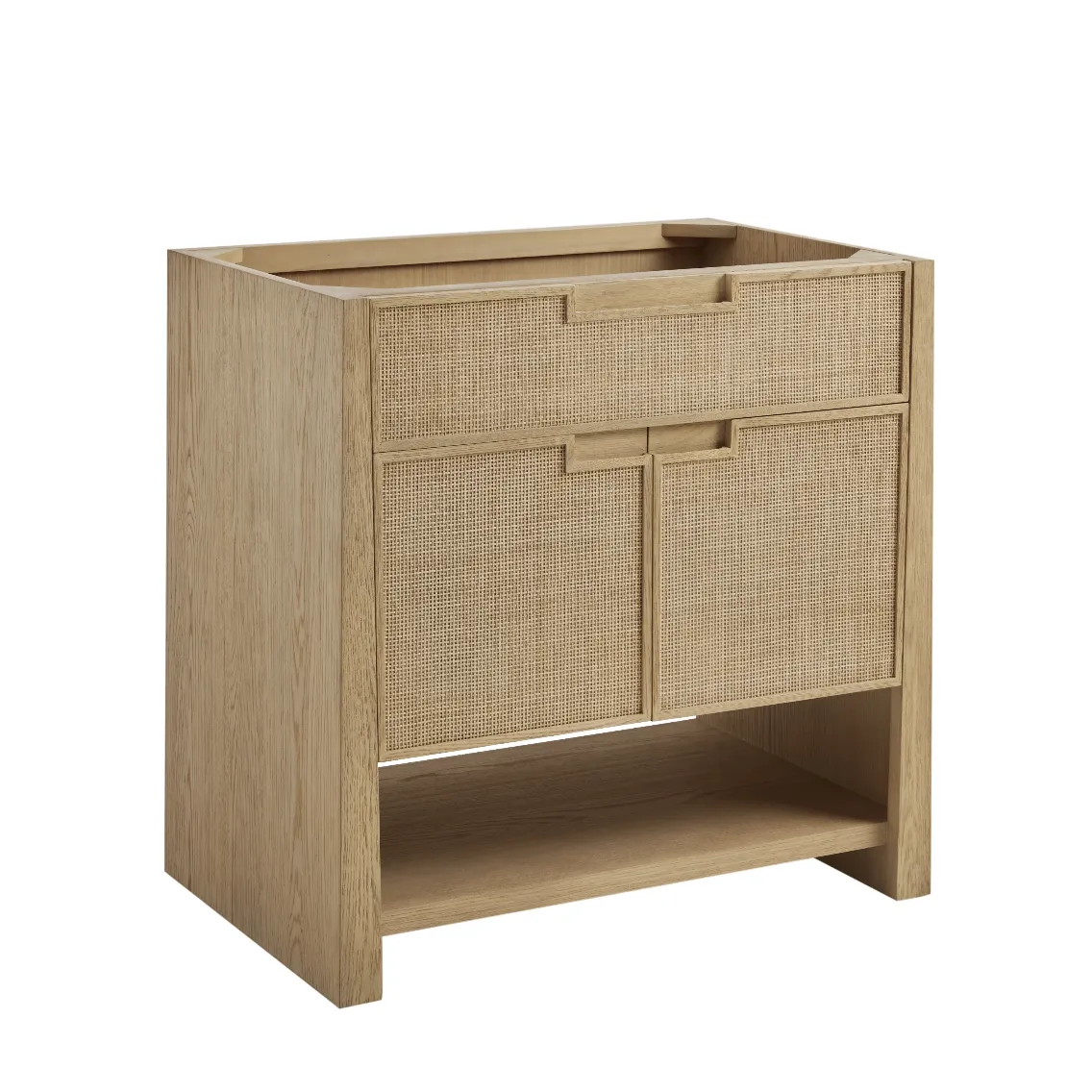
Bathrooms have traditionally relied on white cabinets, polished tiles, and cool surfaces to create a clean appearance. Recently, however, homeowners have started introducing warmer materials into these spaces. Natural wood is particularly appealing because it softens the appearance of modern fixtures without making the room feel outdated.
Choosing a wood bathroom vanity can be an effective way to introduce this warmth while adding useful storage. The right cabinet provides a balance between visual comfort and practical organization, making it suitable for bathrooms of different sizes and styles.
How Wood Changes the Atmosphere of a Bathroom
Bathrooms often contain hard materials such as porcelain, glass, ceramic, and stone. Although these finishes are durable and easy to coordinate, using too many of them can create an appearance that feels cold or impersonal.
Wood introduces natural grain patterns and warmer tones, helping the room feel more inviting. Even a relatively small vanity can make a noticeable difference when positioned against neutral walls or light-colored floor tiles.
The visual effect depends on the finish. Pale oak and similar light wood tones create an airy atmosphere, while darker finishes establish stronger contrast and a more traditional character.
The Appeal of Light Wood Finishes
Light wood finishes have become particularly relevant to contemporary bathroom design because they work well with uncluttered layouts. Their subtle grain patterns add detail without competing with surrounding surfaces.
A light wood cabinet paired with a white countertop can establish a calm, understated appearance. This combination also works with brushed nickel, matte black, and warm metallic hardware.
Homeowners who prefer Scandinavian or minimalist interiors often appreciate this approach. Rather than relying on decorative details, the room gains personality through material texture, careful proportions, and consistent color choices.
Balancing Natural Materials With Moisture Protection
While wood offers visual warmth, bathrooms expose furniture to changing humidity levels. Showers, baths, and everyday cleaning can introduce moisture that affects poorly protected cabinetry.
For this reason, shoppers should examine cabinet construction, protective finishes, and manufacturer care recommendations. A wood appearance does not automatically mean every cabinet uses solid wood throughout.
Proper ventilation also contributes to long-term performance. Running an exhaust fan during and after showers helps reduce excessive humidity, while quickly wiping standing water prevents unnecessary exposure.
These habits are important regardless of whether the cabinet features solid wood, engineered materials, or a combination of construction methods.
Selecting a Vanity That Fits the Room
The appearance of a vanity matters, but its dimensions determine whether the bathroom remains comfortable to use. Homeowners should measure available wall space, plumbing locations, and nearby door clearances before choosing a cabinet.
A large vanity may offer more storage, yet it can make a narrow bathroom feel crowded. Conversely, a cabinet that is too small may leave valuable wall space unused.
Depth deserves particular attention. In compact bathrooms, a shallower cabinet can improve walking clearance without requiring a complete change to the existing plumbing arrangement.
Drawer operation should also be considered. Cabinets positioned beside toilets, doors, or shower enclosures need enough clearance for drawers and cabinet doors to open properly.
Creating Contrast With Countertops and Fixtures
A vanity can serve as the central visual feature of a bathroom, but its surrounding materials influence the overall result.
White countertops provide crisp contrast against wood grain. Stone-look surfaces introduce additional texture, while darker countertops can create a stronger contemporary statement.
Faucets and cabinet hardware should complement the finish rather than compete with it. Matte black fixtures establish definition, whereas brushed brass can emphasize the warmth of lighter timber tones.
Consistency is helpful, although every metal finish does not need to match perfectly. A carefully selected combination can create a more personal and layered appearance.
Making Natural Design Practical for Everyday Living
An attractive bathroom must also support everyday routines. Storage needs often include toiletries, cleaning supplies, grooming equipment, and spare towels.
Drawers with internal organizers can prevent smaller products from becoming difficult to locate. Cabinets with adjustable shelves offer flexibility when storing bottles or unusually shaped items.
Maintenance should remain straightforward. Using manufacturer-recommended cleaning products, avoiding abrasive tools, and preventing water accumulation can help preserve the cabinet’s finish.
Natural wood styling is most successful when it combines these practical considerations with an appearance that remains appealing beyond temporary design trends.
Conclusion
A warm and welcoming bathroom does not require an elaborate renovation. Thoughtful cabinetry, coordinated finishes, and appropriate storage can significantly influence how the space looks and functions. For homeowners considering natural wood-inspired designs, Bathroom Vanities Outlet offers relevant vanity collections that can help connect everyday practicality with contemporary bathroom styling.